Collecting Antarctica
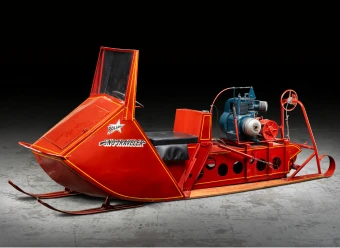
Second World War amphibious vehicles, taxidermied sled dogs, 100-year-old wooden skis, the battered wings of a De Havilland Beaver aeroplane destroyed in a devastating blizzard.
These are just some of the incredible objects in the National Antarctic Heritage Collection, one of the Museum’s newest, most intriguing and most significant acquisitions, on show from 1 July to 11 October 2026.
Comprising more than a thousand objects from the Australian Antarctic Division, it has instantly made the Museum the custodian of one of the premier Antarctic collections in the world.
The significance of the National Antarctic Heritage Collection lies in the connection between Australia and Antarctica, stretching back millions of years, to when both were part of the supercontinent Gondwana.
Our human connection to the southern continent has existed for thousands of years as First Nations people wove the aurora australis and the frigid southern winds into their cosmology and storytelling.
Colonial Australia’s first commercial industries – sealing and whaling – developed in the Southern Ocean, and Antarctica became part of everyday conversation as major British, Russian, French and Norwegian expeditions docked in Sydney and Hobart and their crews became local celebrities.
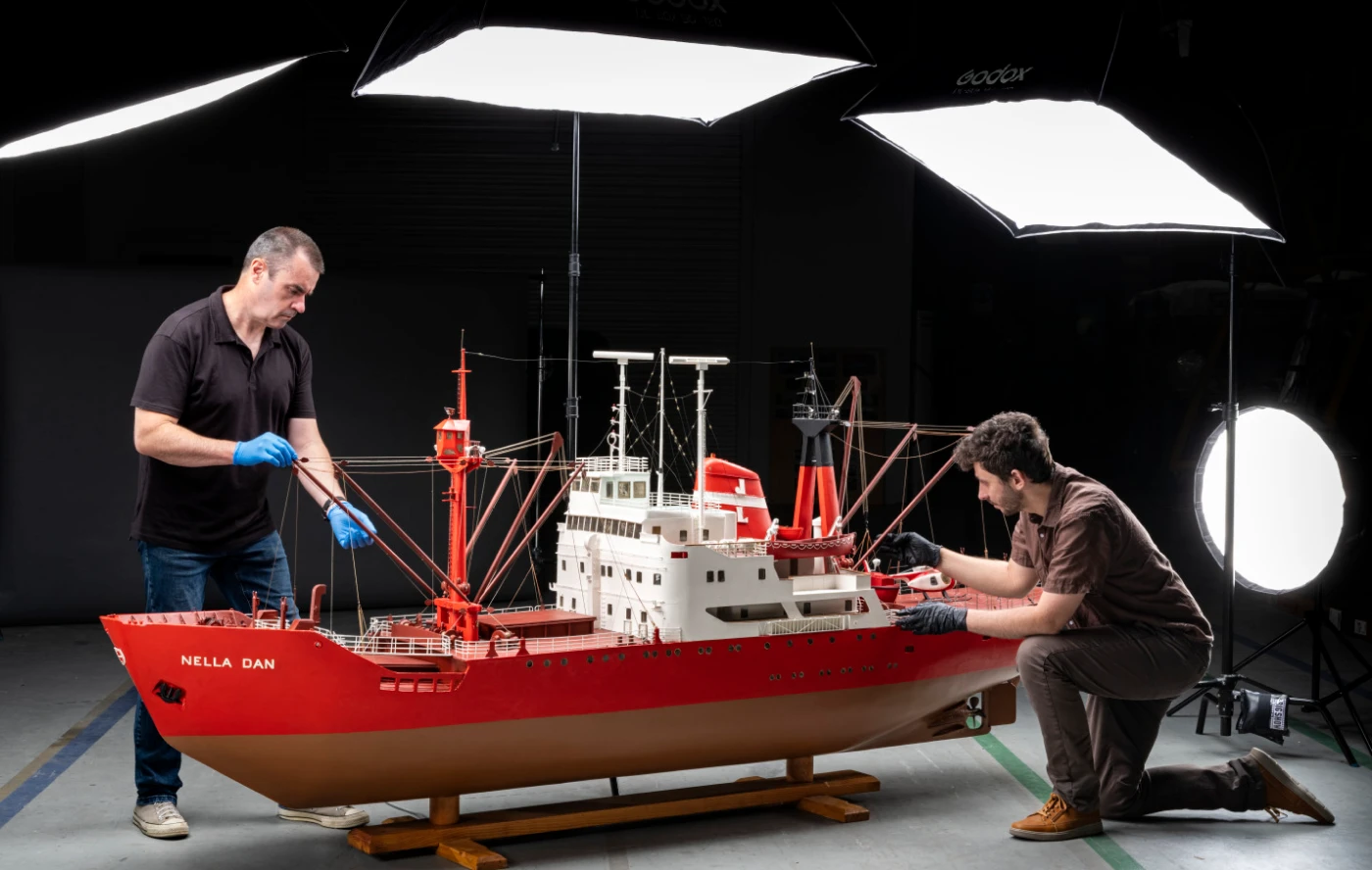
Model of the Nella Dan (replica)
Explore this 3D model of the MV Nella Dan – Australia's lifeline to Antarctica for 26 summers. Rotate, zoom and tap each point of interest. The model on which this 3D version is based was made and donated by the Ship Modelling Society of Victoria.
Heroic era
From 1898 to 1922, known as the heroic era of Antarctic exploration, Australia’s geographic proximity meant it hosted, supplied and sometimes financed important expeditions. It was during this time that the legendary exploits of Douglas Mawson’s 1911–14 Australasian Antarctic Expedition embedded the southern continent in our national narrative.
With the help of Frank Hurley’s cinematography, Mawson brought the beauty and environmental extremes of Antarctica to everyday Australians. In 1929–31 Mawson returned to Antarctica and claimed 42 per cent of the continent for Britain, which became the Australian Antarctic Territory in 1933.
Antarctic Treaty
This political association with Antarctica was strengthened when Australia became a founding signatory to the Antarctic Treaty.
The 1959 agreement completely changed international engagement with the region, reimagining the continent as a space dedicated to peace, scientific research and cooperation. Since then, Australia has become a world leader in Antarctic research, conservation and advocacy.
Australian Antarctic Division
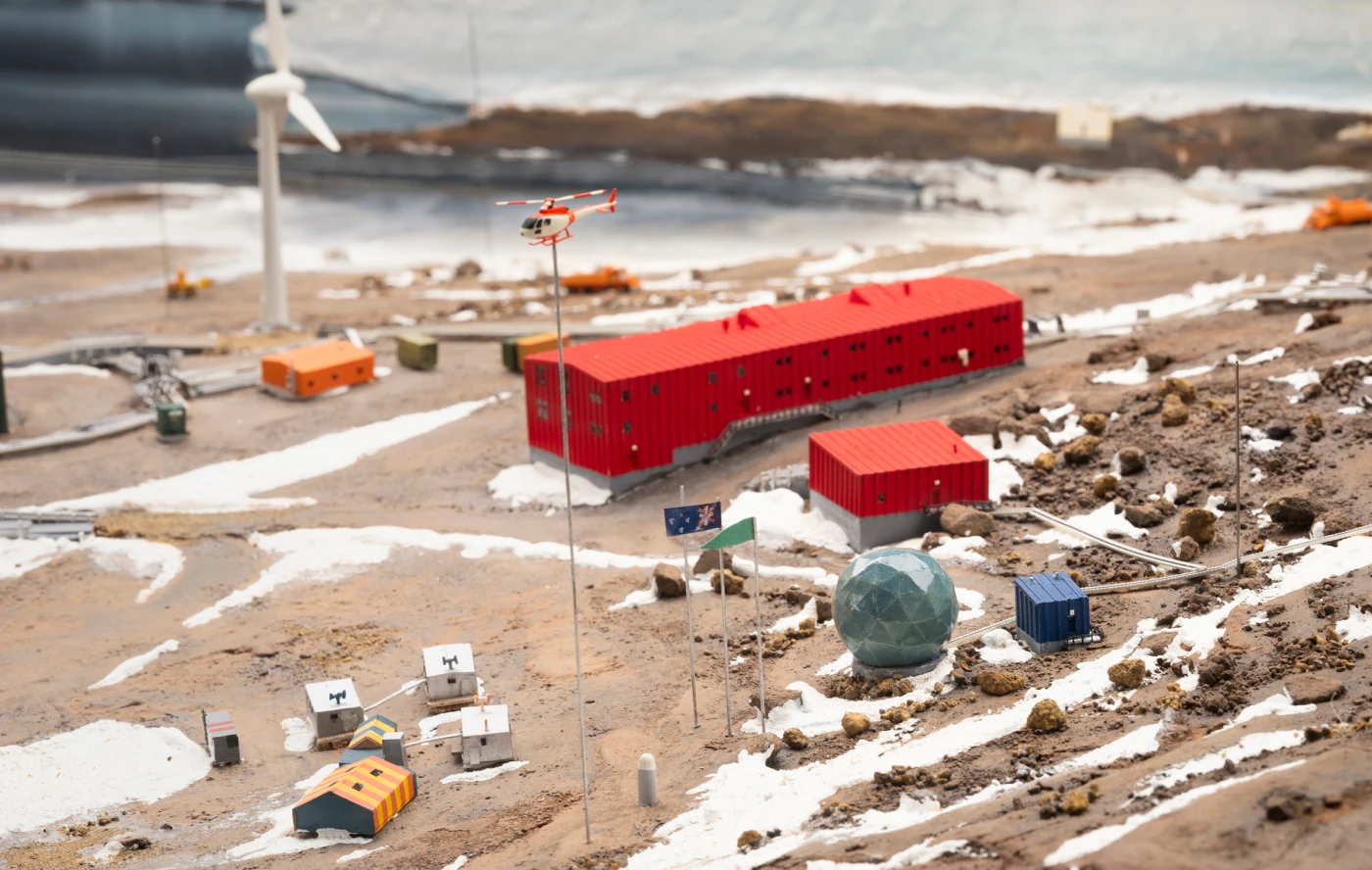
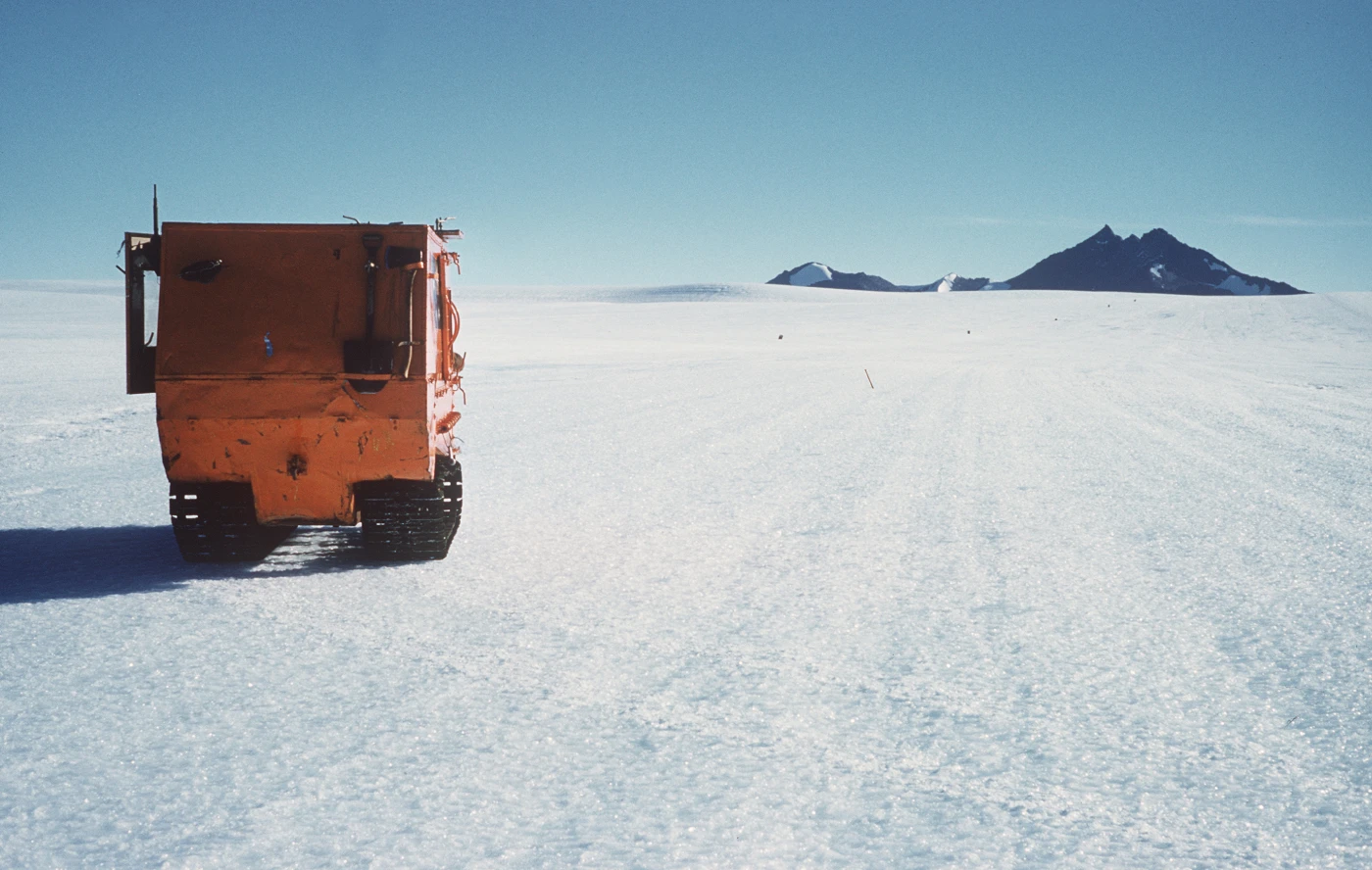
The Australian Antarctic Division (AAD) was first established as part of the Department of External Affairs in 1948. Its responsibilities included supporting scientific research, maintaining Australia’s Antarctic stations and overseeing Australia’s interests in the territory.
Although it had no defined collecting strategy, over time it accumulated a large and varied collection of heritage material that reflected decades of Australian work in Antarctica.
It included machinery and equipment used at research stations, specialised clothing designed for extreme cold, custom-made scientific equipment, personal documents and records, artworks and taxidermied birds and animals.
Collection care
In the early 2000s the AAD began a conversation with the National Museum about the long-term care of the collection, and in 2022 a formal partnership was established to transfer the National Antarctic Heritage Collection to the Museum. By May 2024, most of the collection had arrived at its new home in Canberra.
Continuing the AAD’s mission to share the collection, the Museum has ensured that parts of the collection are still available to other institutions like the Tasmanian Museum and Art Gallery, the Queen Victoria Museum and Art Gallery, the South Australian Museum and the Mawson’s Huts Foundation.
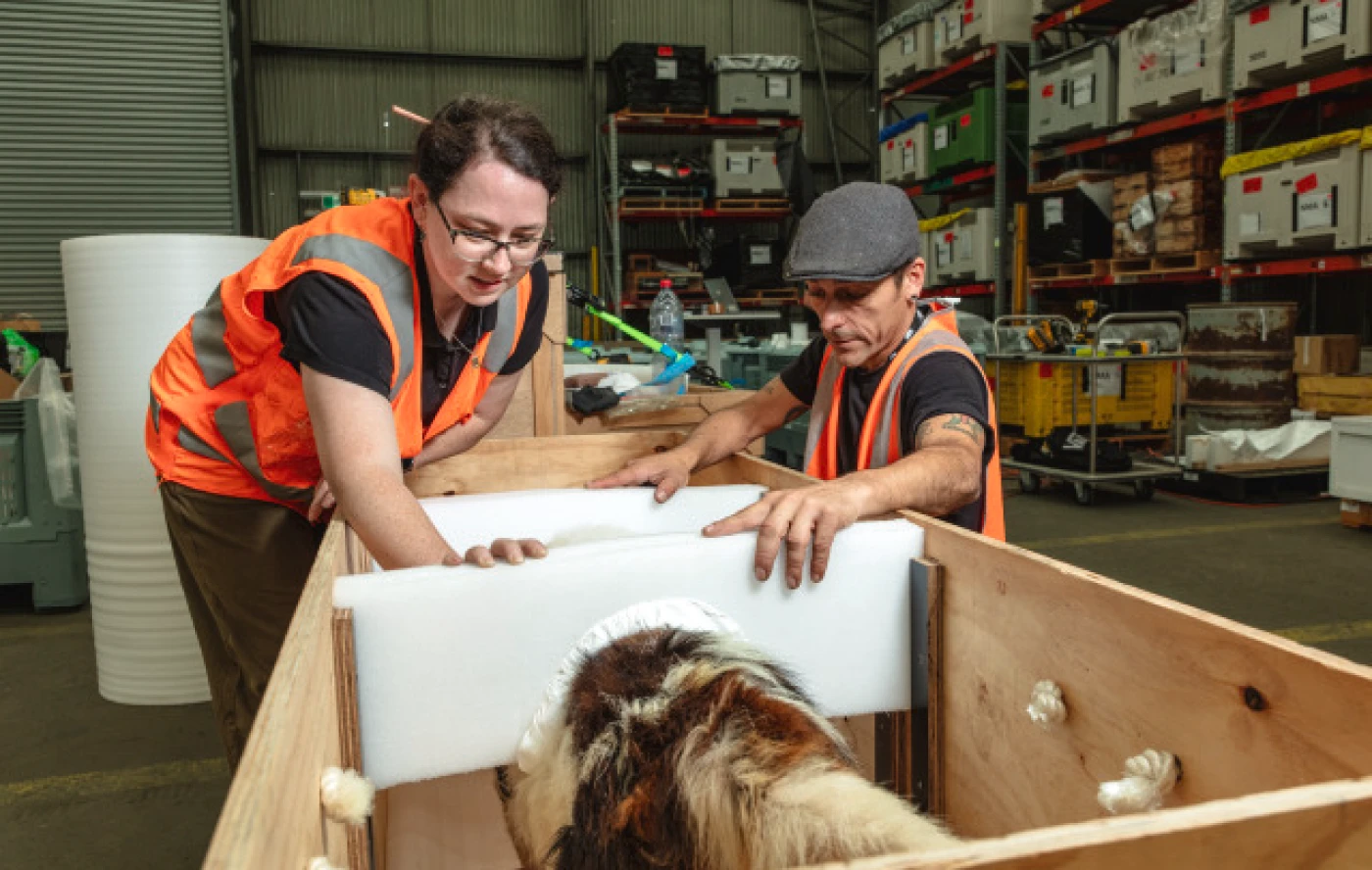
Museum curators, registrars and conservators travelled to Hobart in early 2023 to begin the process of significance assessment. Over the next two years, they undertook multiple trips to evaluate, document and prepare the collection.
'Every trip ... felt like Christmas'
I was fortunate enough to be involved throughout this process, and every trip to the storage facilities at AAD headquarters or the warehouse on the Hobart waterfront felt like Christmas.
Each time my colleagues and I went to Hobart we discovered fascinating new objects that help tell the story of Australia’s relationship with Antarctica.
A standout moment was opening the large plywood storage box that held the skis and sled used by geologist Cecil Madigan on the 1911–14 Australasian Antarctic Expedition.
The objects were beautifully made and preserved: the exact joinery of the sled involved no nails and the leather lacing that lashed together the parts was still taut and precise. Even after a century’s storage, the wood smelled of forests far from Antarctica’s icy shores.
And I recall when Dave McCormack, the ex-AAD diesel mechanic whose second career has been the documenting and refurbishing of Australia’s mechanical history in Antarctica, came to the warehouses to start up a Caterpillar D4 tractor.
He warned me and conservator Nathan Pharaoh to be ready for a loud noise if and when the big Cat’s engine fired up. However, nothing could have prepared me for the explosive thud of the diesel’s pistons or the smile on Dave's and Nathan's faces when they saw the meticulously made piece of machinery roar into life, 60 years after it had rolled out of the factory.
Something that struck the team as we delved deeper into the collection was how many beautiful scientific instruments, taxidermied animals, geological specimens and large oversnow vehicles it included.
We realised that the National Antarctic Heritage Collection was quite different to other Antarctic collections, in that it provided an insight into the enormous range of work that was undertaken in Antarctica, especially since the great political change of the 1950s.
Everyday heroes
This allowed us to imagine curating a very different exhibition to those that had gone before and which had focused on specific areas of the Australian experience or the heroic era of exploration.
Now we had a collection that told stories of the everyday heroes who built the deep relationship between Australia and the Antarctic, the scientists who dedicate their careers to understanding the most remote place in the world and the tradies and specialists who make the programs tick.
This collection celebrates not only why Australia is at the forefront of Antarctic understanding but also how we have achieved that status.
With this in mind my colleague Dr Laura Cook, myself, a team of professionals here at the Museum and our colleagues at Studio Plus Three design were able to create a unique exhibition that celebrates Australia and Antarctica’s enduring relationship. It is a journey from deep time to the present, but with a special focus on Australian programs in Antarctica over the past 70 years.
Working on the National Antarctic Heritage Collection has been one of the highlights of my curatorial career. It is an incredible collection that speaks to the economic, political and scientific development of Australia.
This essay appears in The Museum magazine. Buy the special Antarctica issue