

Handheld instruments
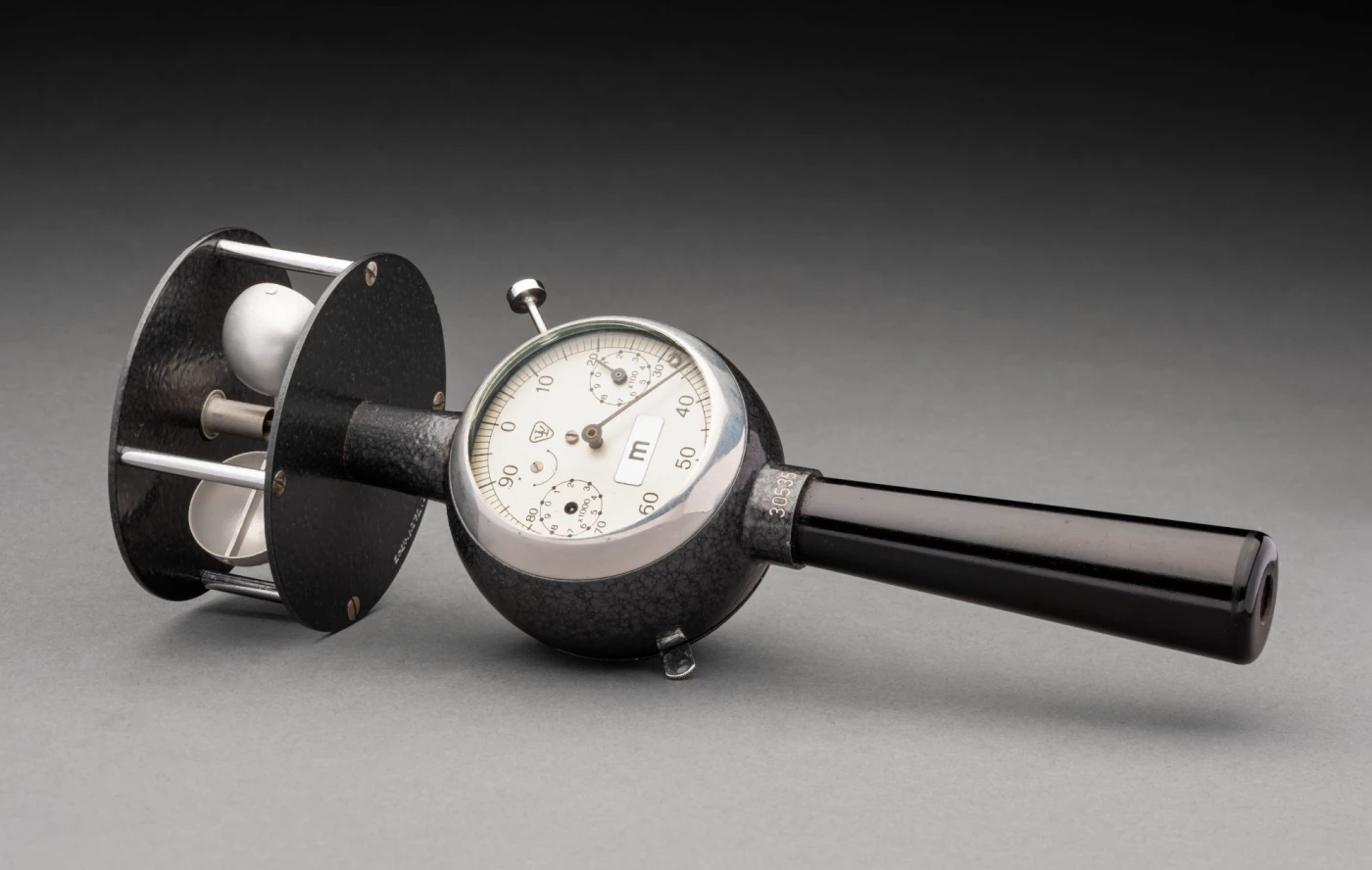
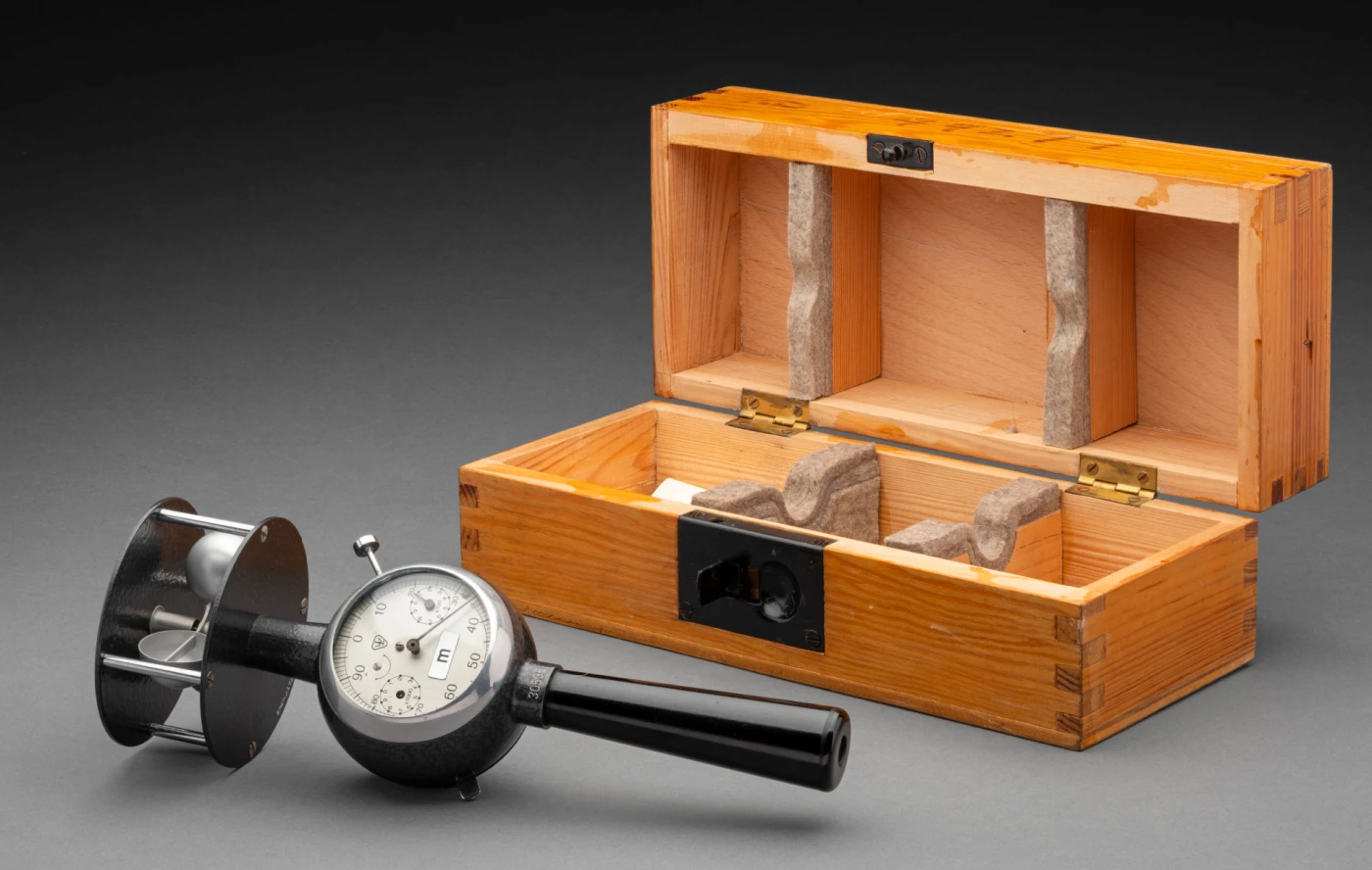
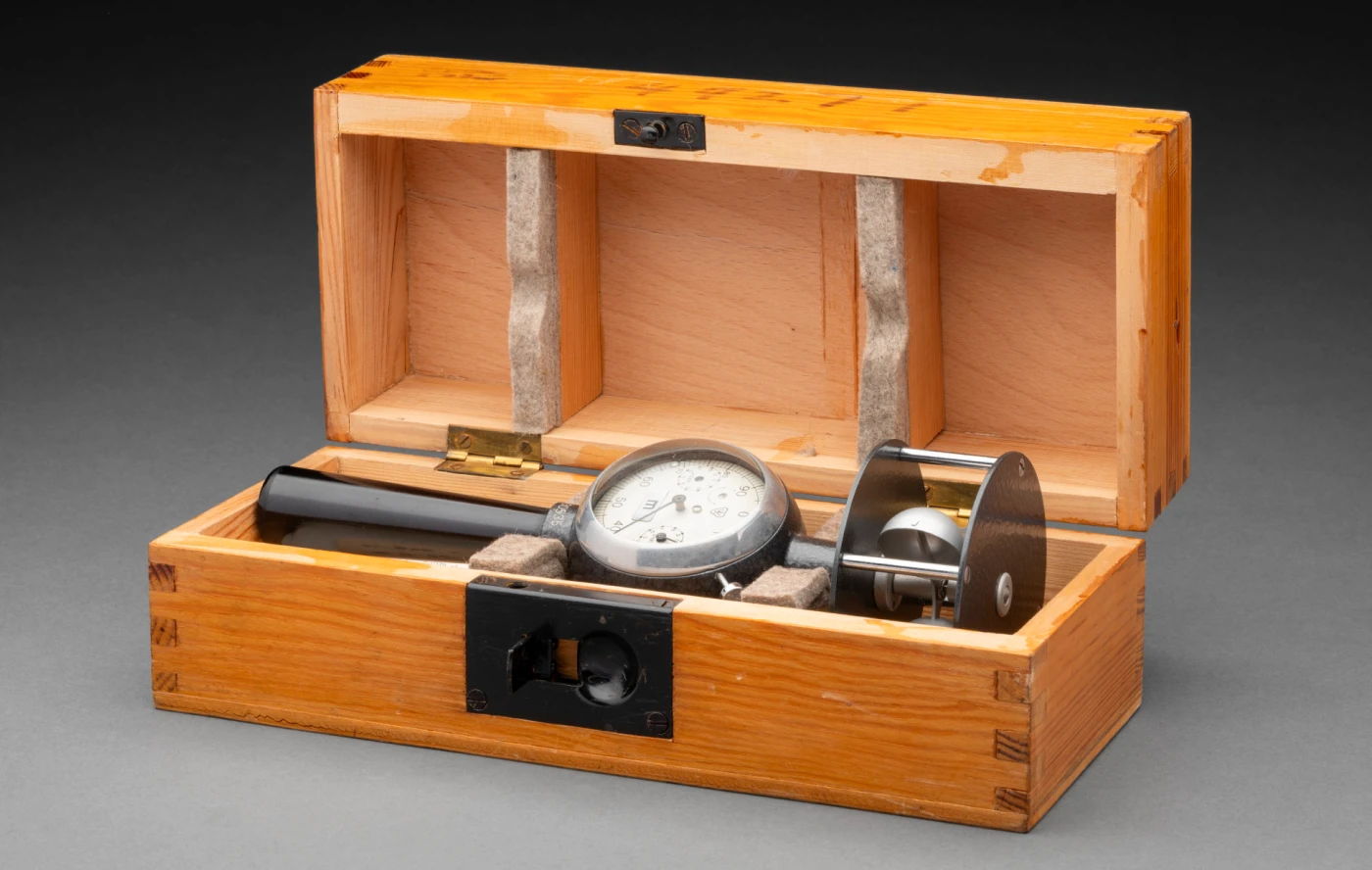
My favourite objects are two handheld instruments that speak to how scientists have engaged with weather and wildlife on the Antarctic continent.
The cup anemometer is a precision instrument for measuring wind velocity, designed and produced by German company Lambrecht in 1964.
When we removed the anemometer from its box and gently breathed on the rotating cups, it moved so beautifully and gave a most precise reading.
It seemed to work just as it might have when new, despite being used in the harshest Antarctic conditions by ANARE and CSIRO meteorologists from the 1960s to the 1980s, then stored away for decades.
Penguin marking device
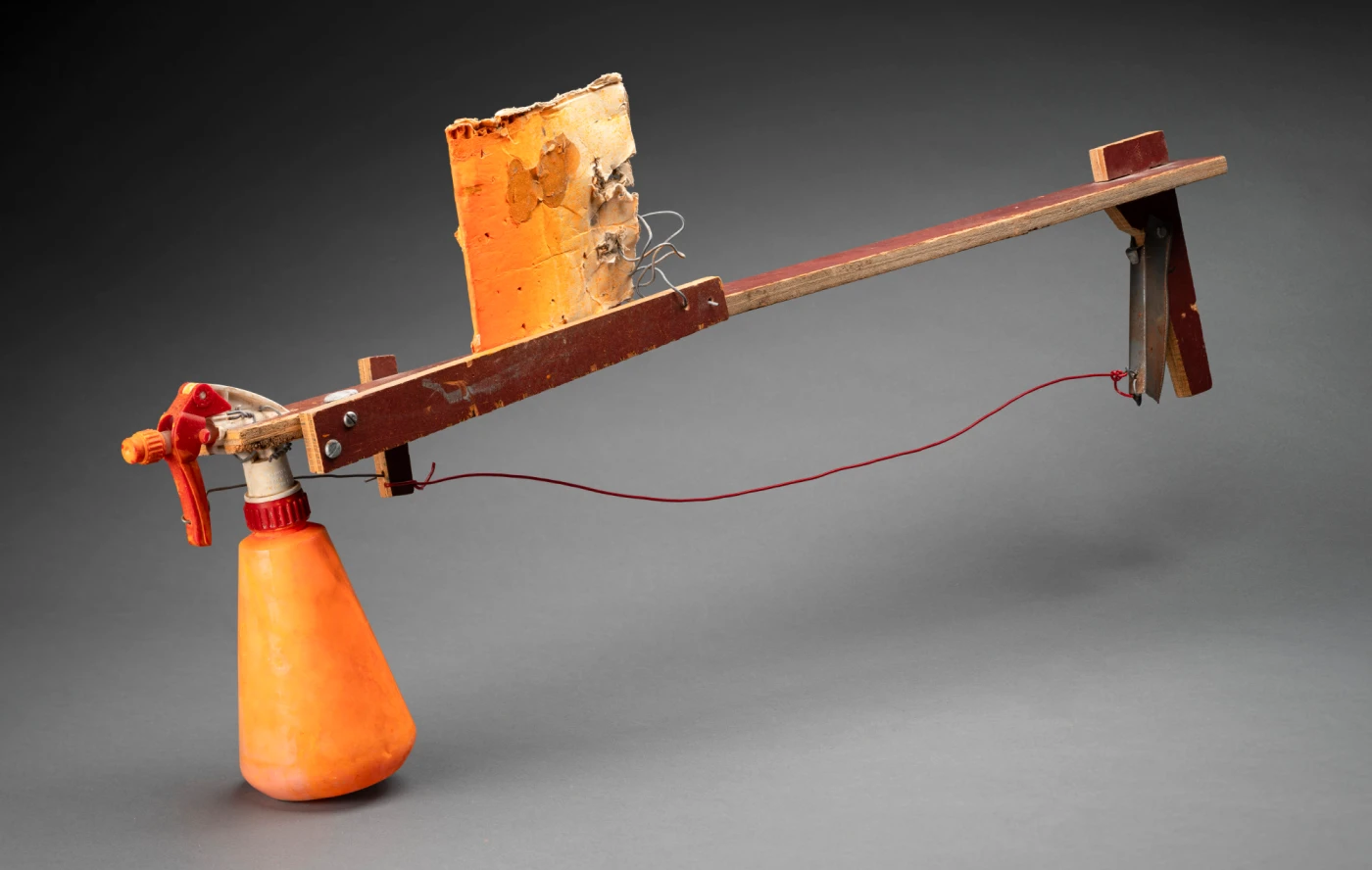
The penguin-marking device is an ingenious make-do instrument, designed and handmade in the field at Mawson station by Knowles Kerry, Judy Clarke and Grant Else in the late 1980s.
It was used for marking Adélie penguins with orange day-glo paint. On first seeing this instrument, its purpose and intent weren’t immediately obvious.
The delight in it has grown with our understanding of the device, with each element designed to make it easier and safer for scientists to mark birds and study them without accidently catching them twice.
Human connection
Though very different in execution, the handheld nature of both instruments invokes a feeling of use.
Their design allows us to imagine holding the anemometer to Antarctic winds or enticing a penguin to receive its paint marking.
Together they open a window onto the diversity of the ever-changing scientific practices on the Antarctic continent and illustrate the physical human connection of scientists and Antarctica’s elements.
This team favourite is from The Museum magazine. Buy the special Antarctica issue