

Oversnow vehicles
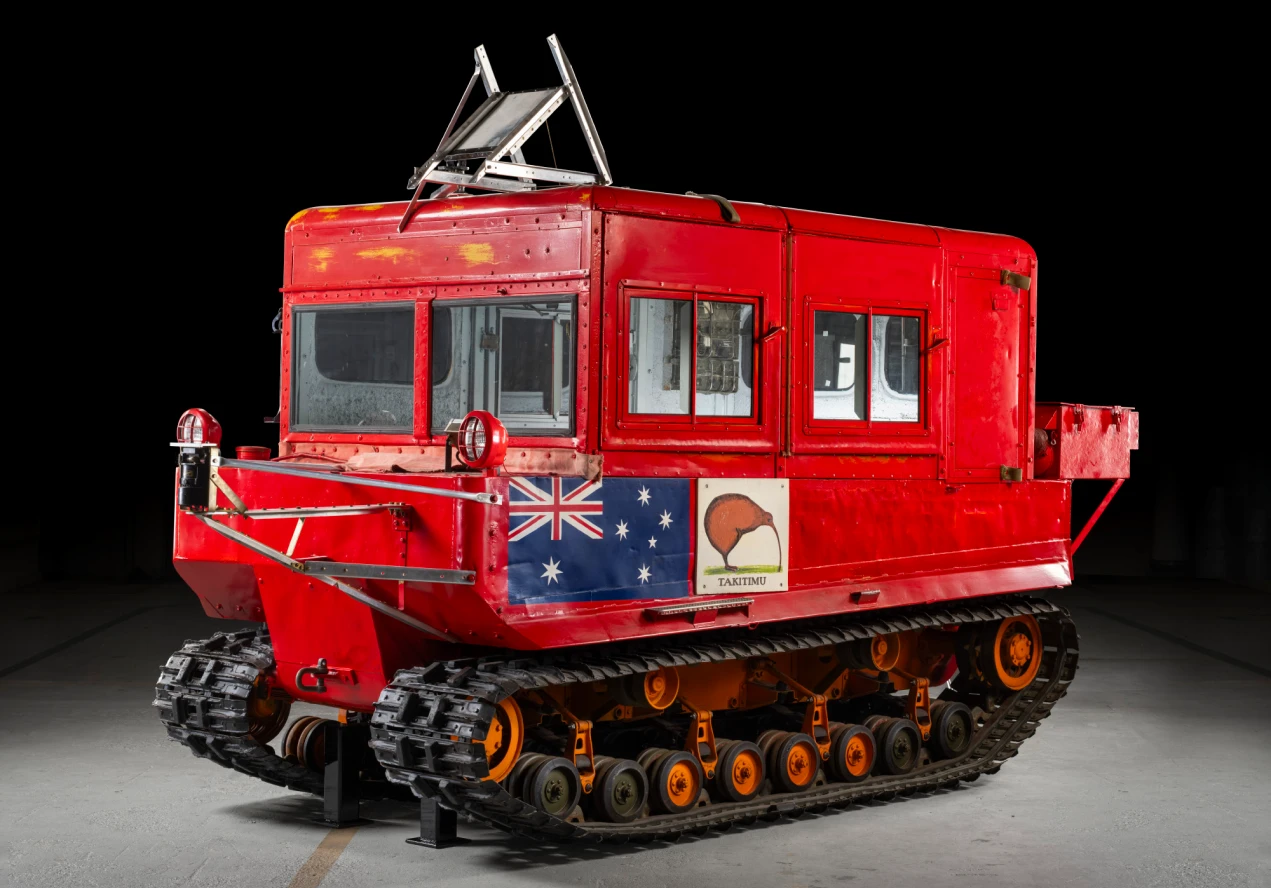
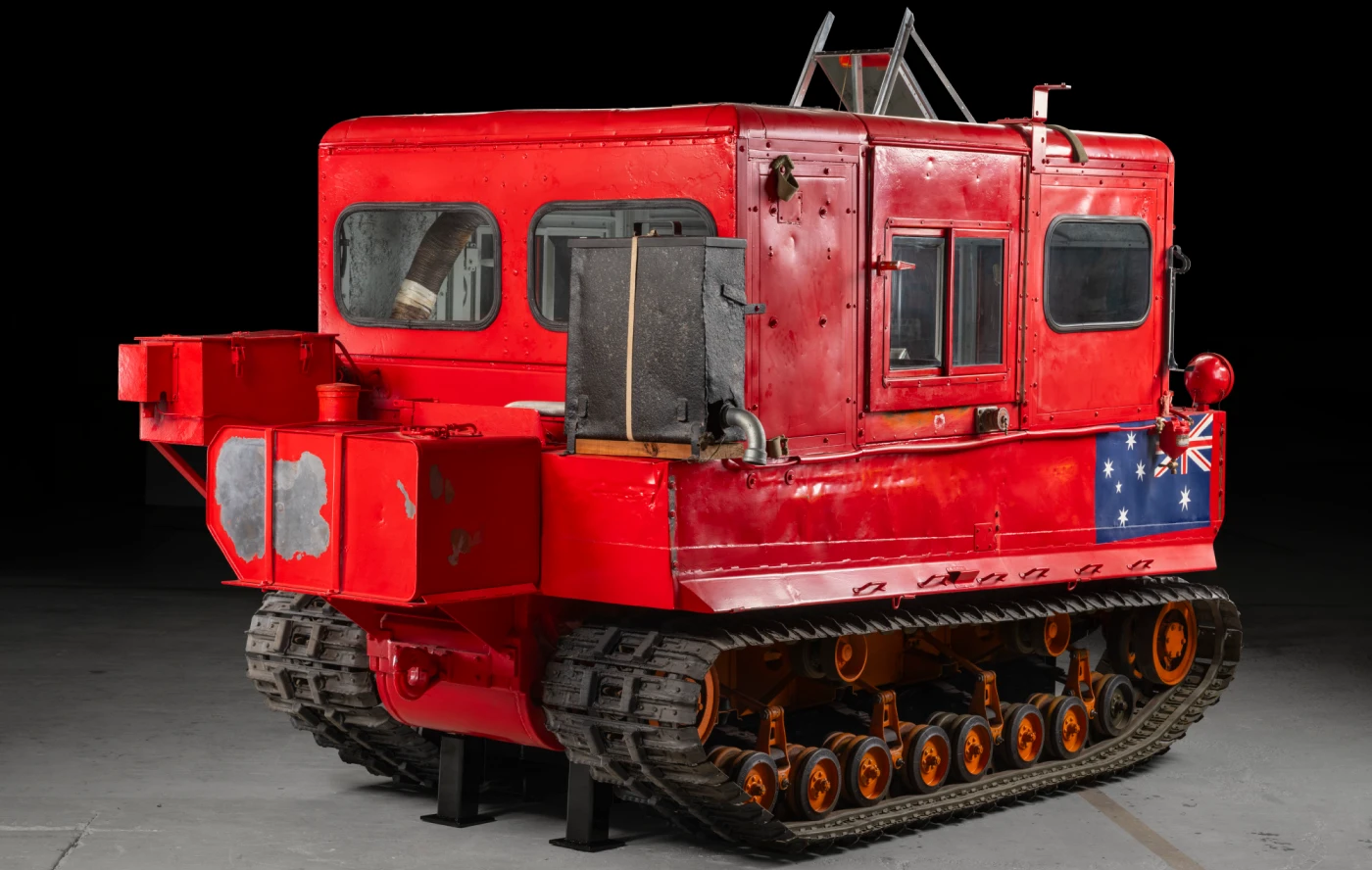
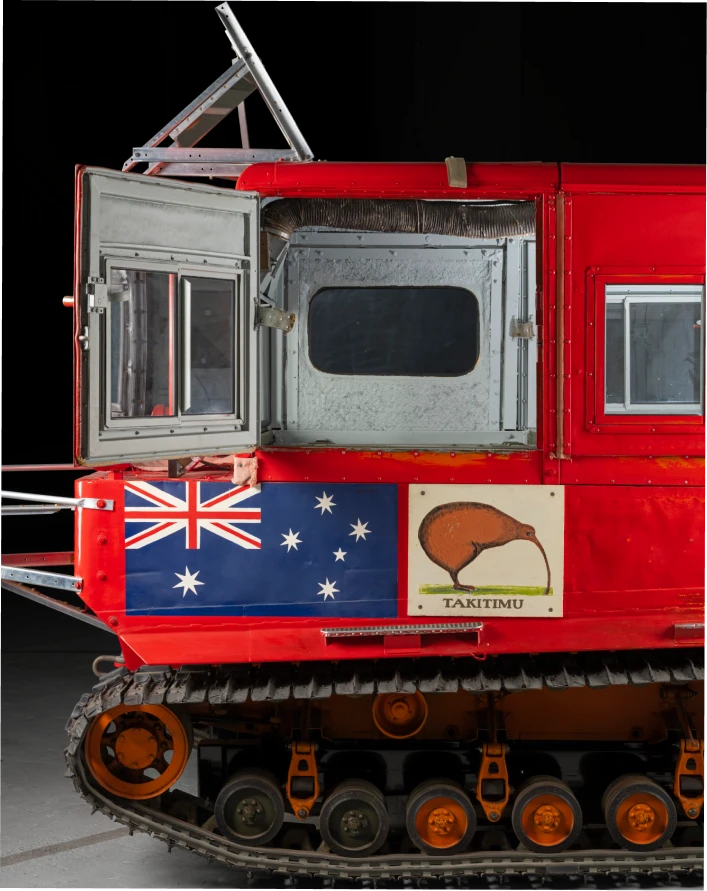
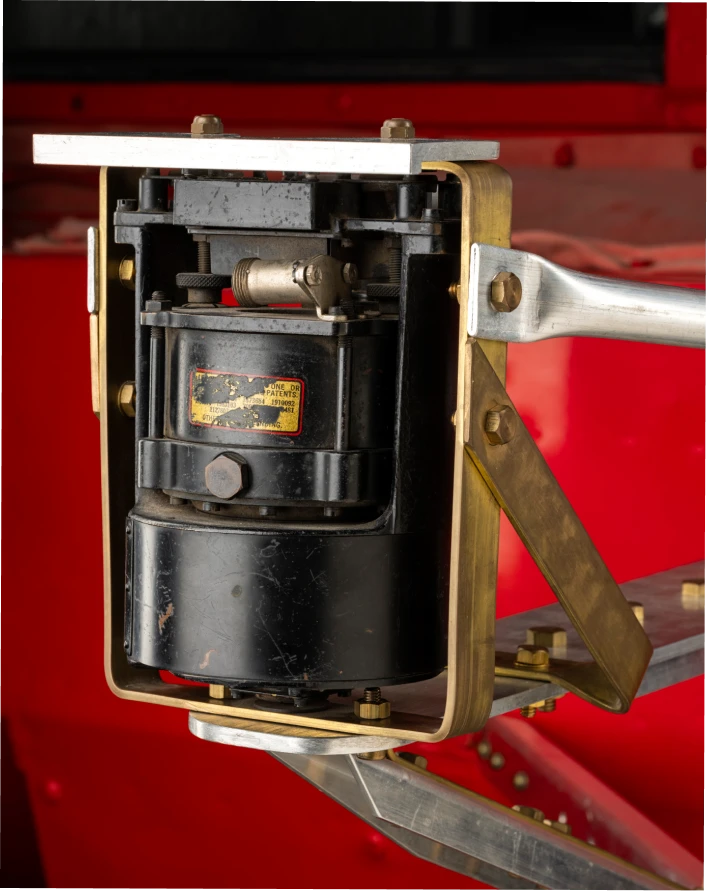
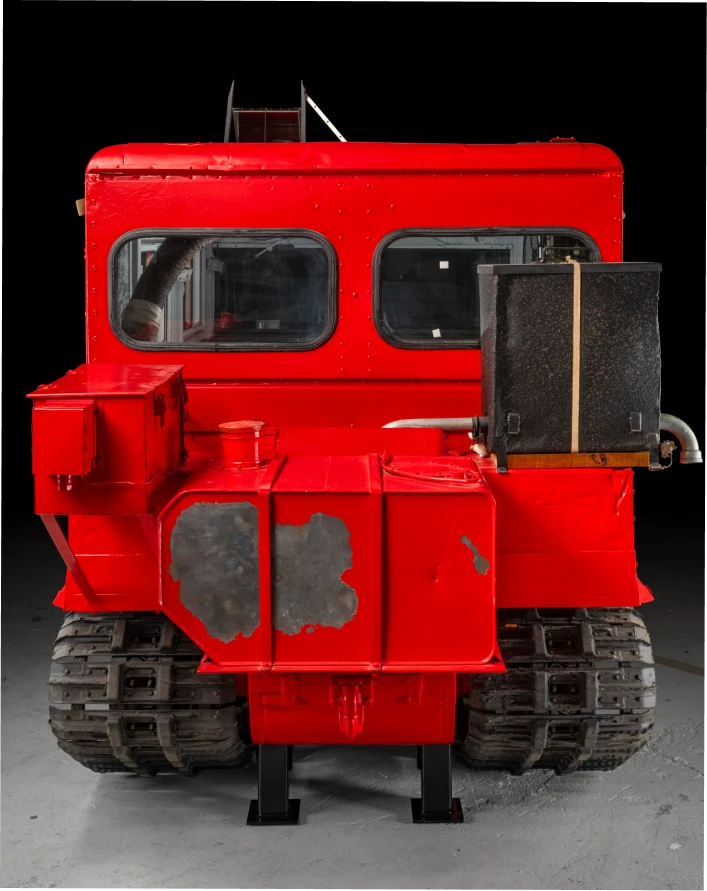
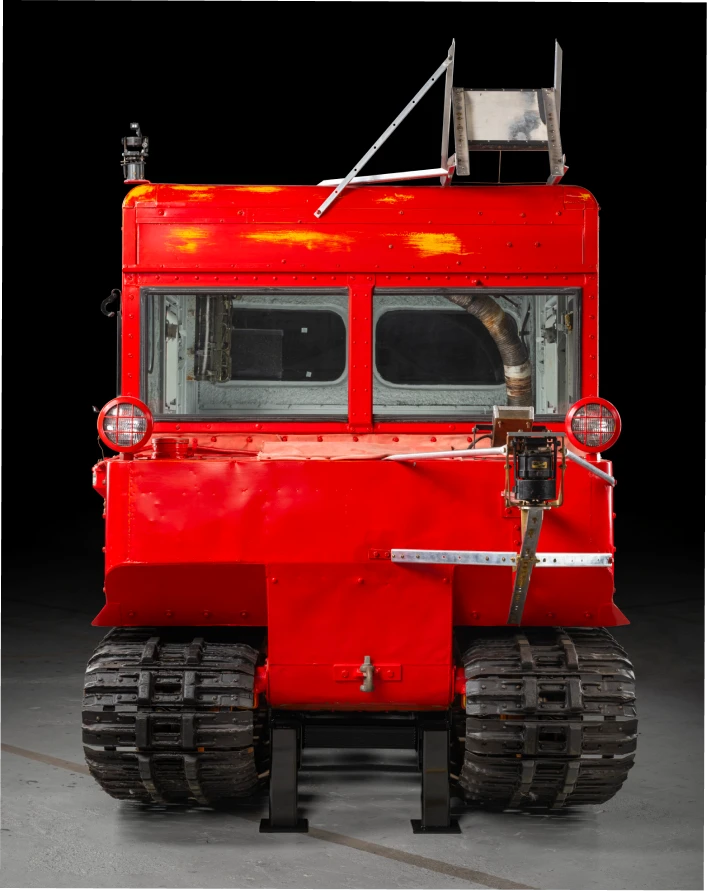
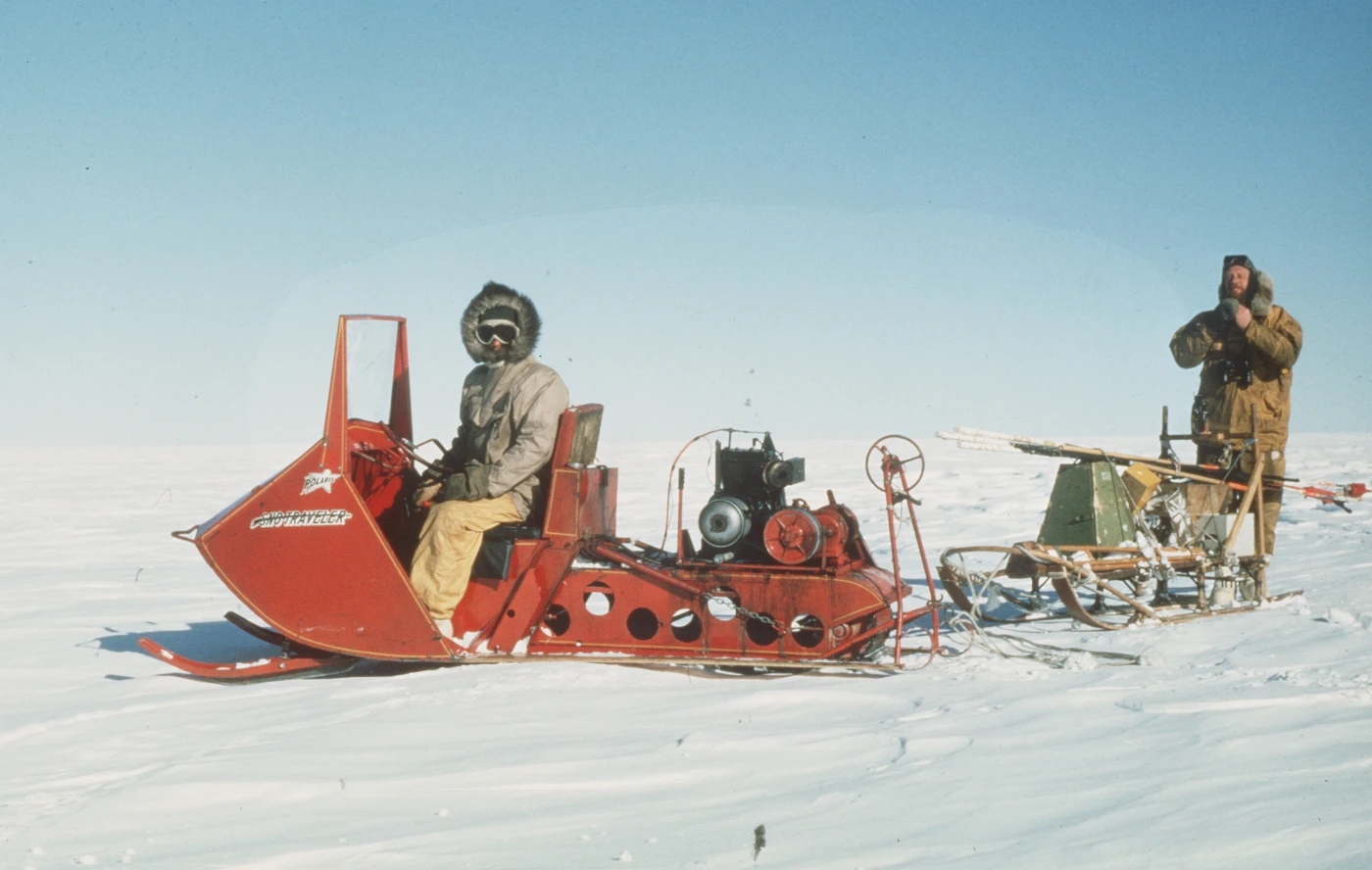
I was fortunate to restore two vehicles that were involved in early Antarctic exploration. One was a Polaris Sno-Traveler and the other a M29 Weasel.
The Weasel was a product of the Second World War and was produced quickly using existing mechanical products of the time. By today’s standards, it was very agricultural but simple and reasonably reliable.
After the war, many of these Weasels found a place in Antarctic and Arctic exploration as there were not a lot of ready-made, light-weight tracked vehicles available.
They were there when a new era of mechanised polar exploration was opening up, bringing with it the challenges of maintaining a war-weary vehicle in the extreme conditions of Antarctica.
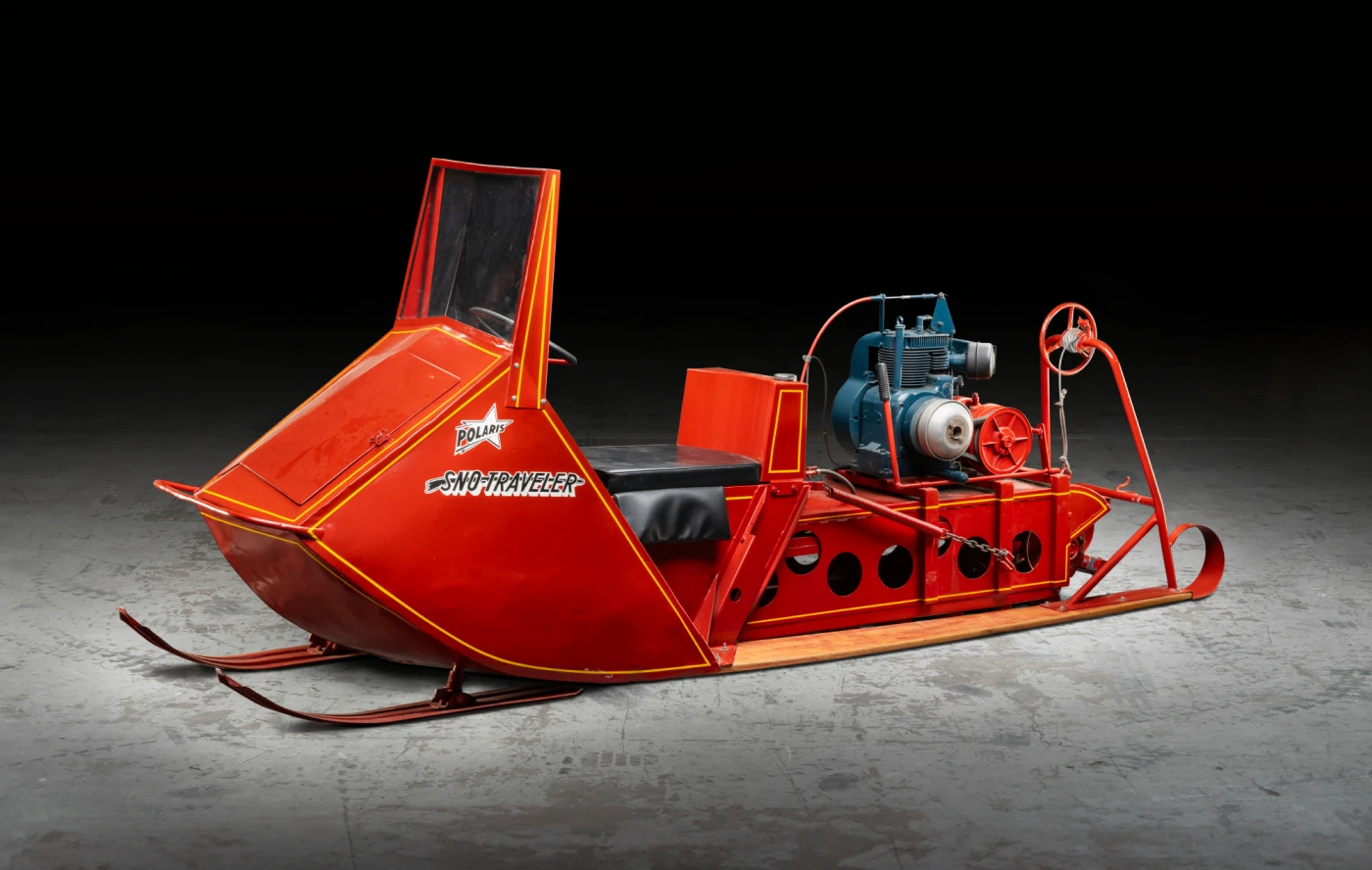
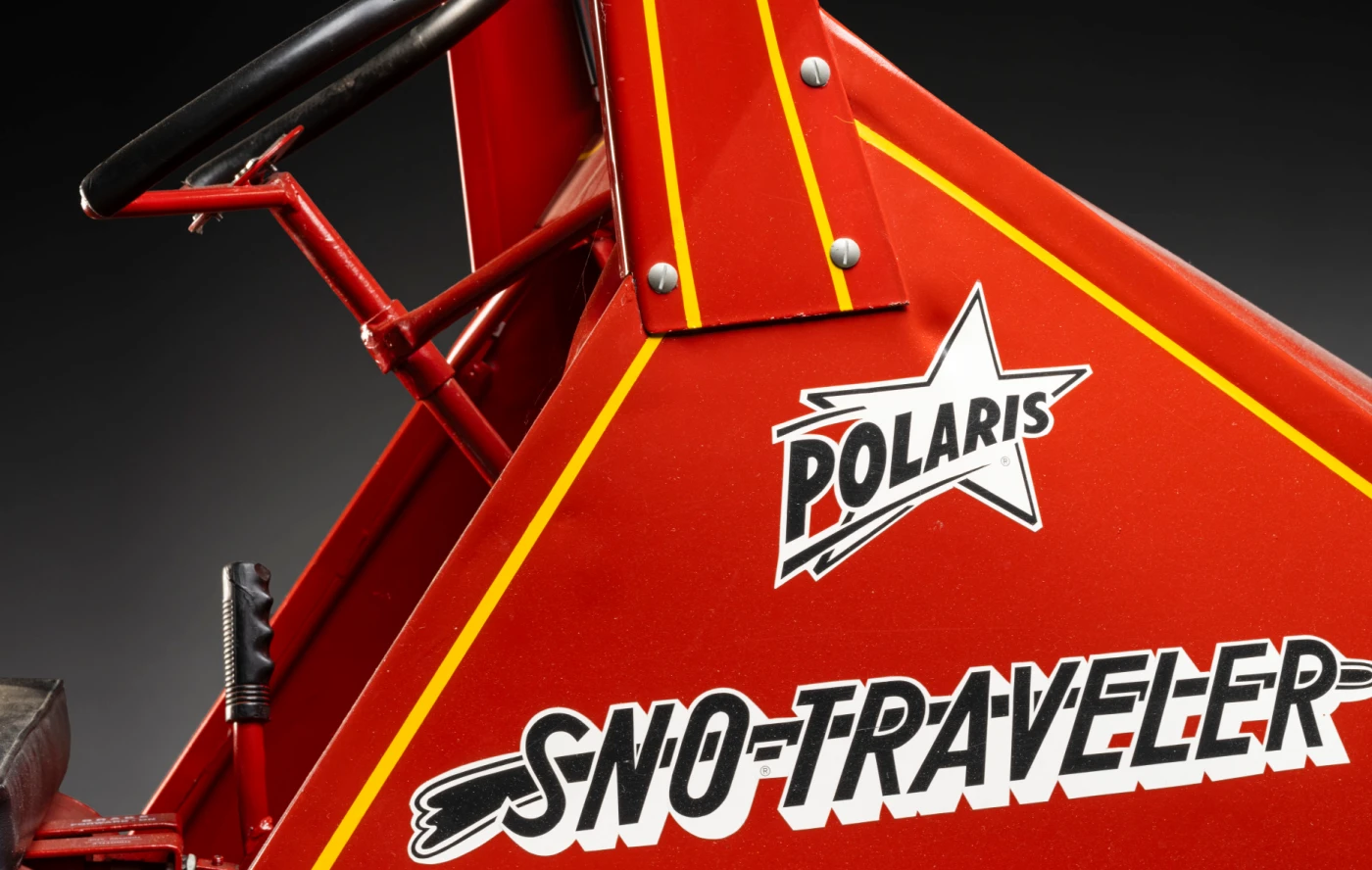
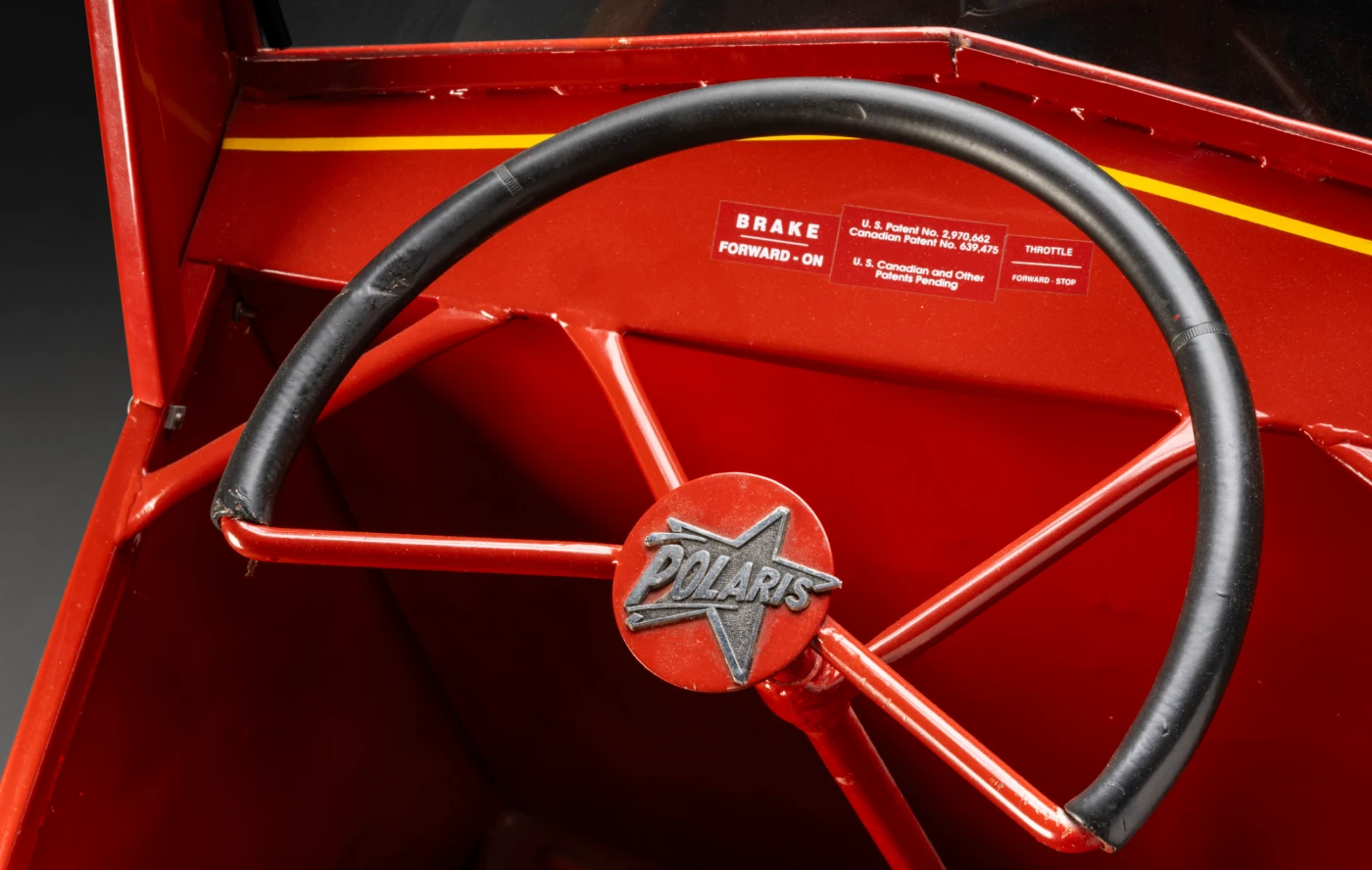
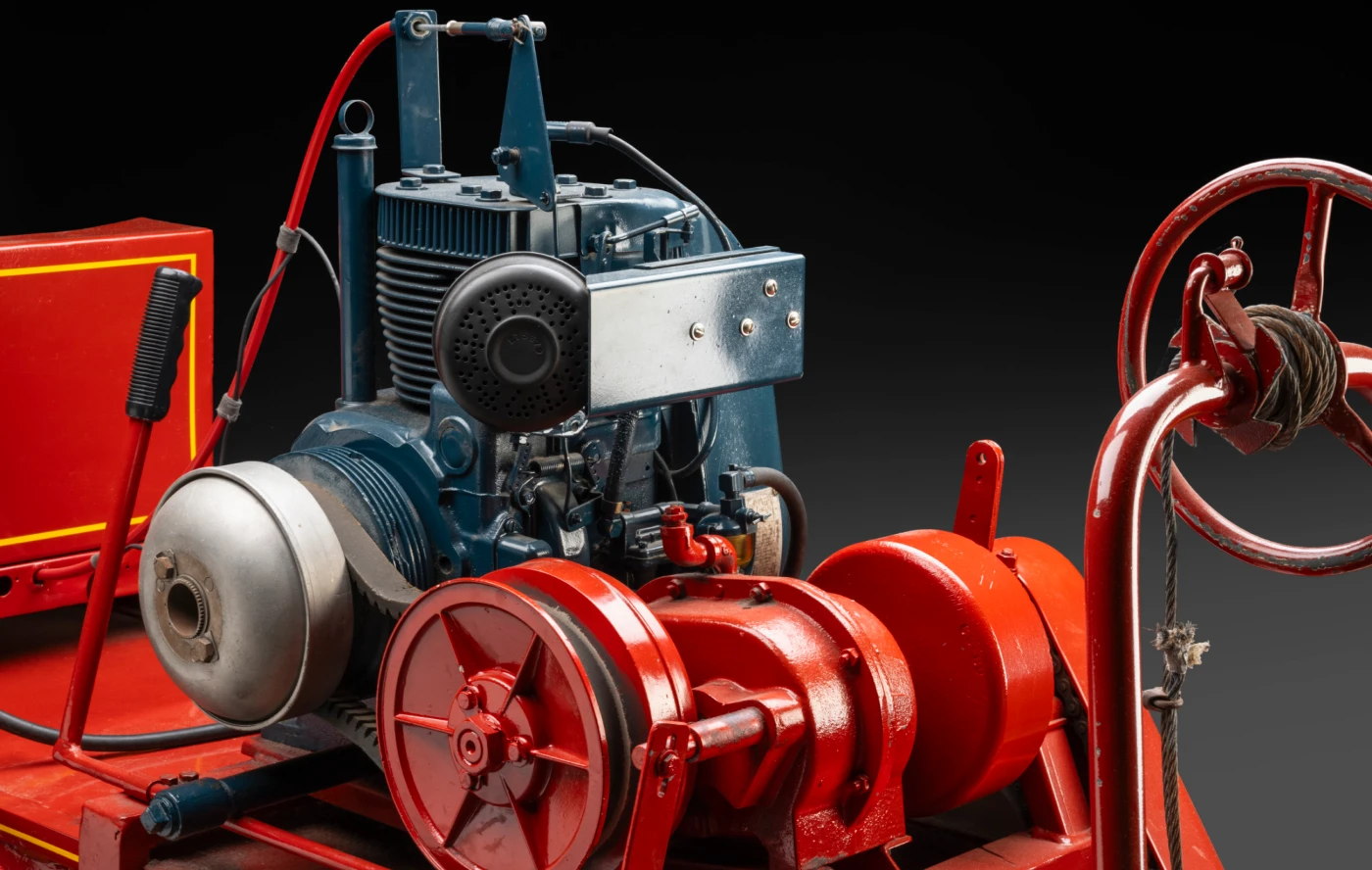
The Polaris Sno-Traveler was one of many small single-tracked, toboggan-type vehicles that appeared in the late 1950s.
It was at the forefront of the replacement of dog sled teams with a mechanical and more efficient form of transport.
The Sno-Traveler’s early designs were simple, with the track being very rudimentary. Other manufacturers produced far superior, purpose-built tracks and engines, but the Sno-Traveler has always held a unique place. It was a rugged but reliable machine that traversed many thousands of polar miles.
These two vehicles stand alone as examples of a bygone era, when it was both a privilege and an adventure to participate in Antarctic exploration and sojourns on the Antarctic plateau.
Dave McCormack is a recipient of the Australian Antarctic Medal, the Phillip Law Medal and the Polar Medal. His team favourite is from The Museum magazine. Buy the special Antarctica issue