
See the results of conservation and cultural renewal of a gyáaʼaang (a Haida heraldic totem) carved by Canadian First Nations artist Clarence Mills.
- Daily
9 to 5pm
- Location
Garden of Australian Dreams
- Cost
Free
A partnership between the Museum and the Canadian High Commission, this restoration project celebrates First Nations cultural traditions and the ongoing care of an important work.
From Expo 88 to the Museum
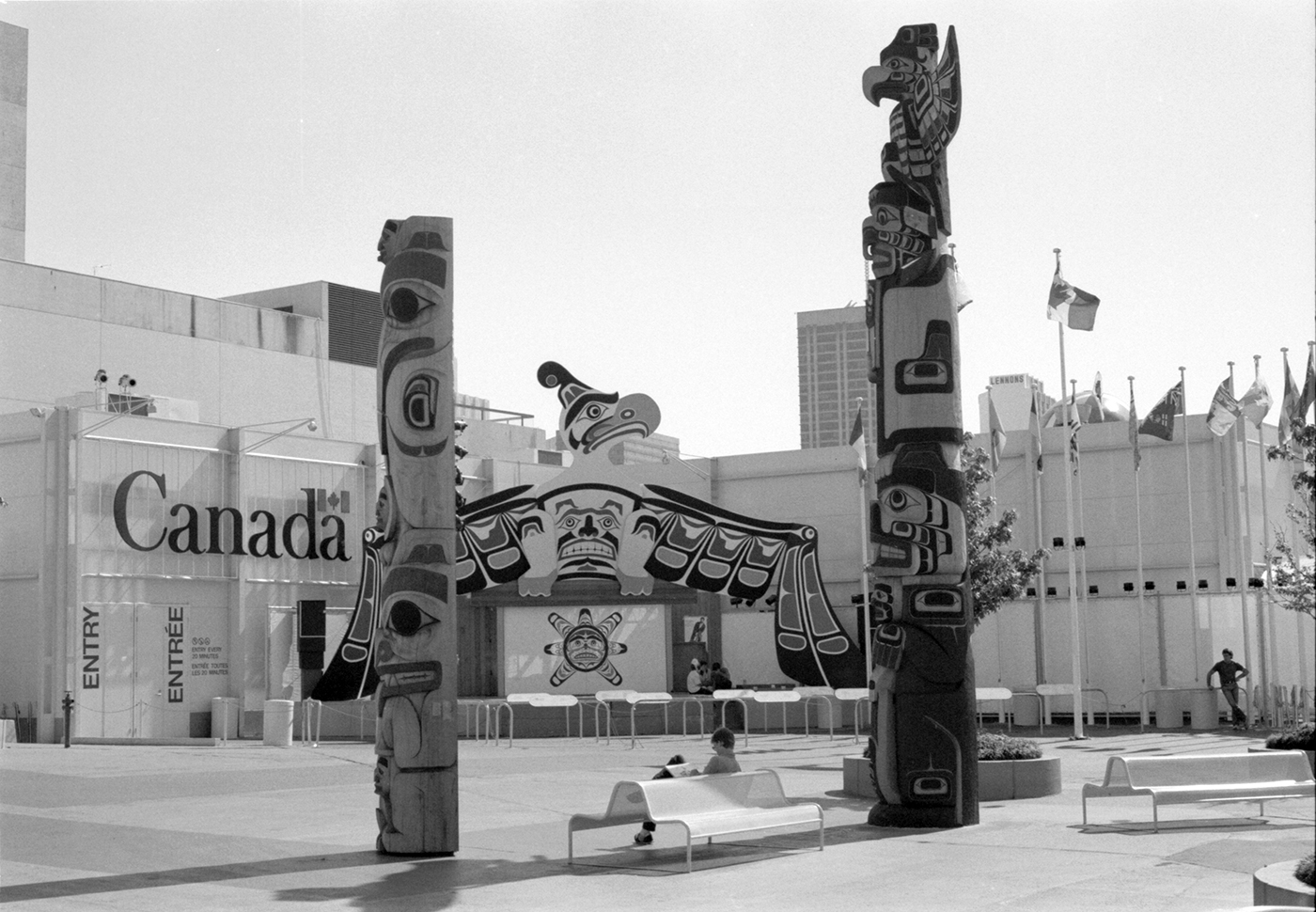
Mills first carved this gyáaʼaang for the Canadian Pavilion at Expo 88 in Brisbane.
Made from a single red cedar tree estimated to be approximately 1,000 years old, the totem presented Haida culture to an international audience and marked an important milestone in the artist’s career.
The figures carved into the totem reflect Mills’s family heritage. They include his grandmother Na-nai, a raven, a moon mask, a bear, and his grandfather, Hereditary Chief Skedans (Gida’nsta).
Following the Expo, the totem was installed at the Canadian High Commission in Canberra and remained there until June 2026.
Treatment and renewal
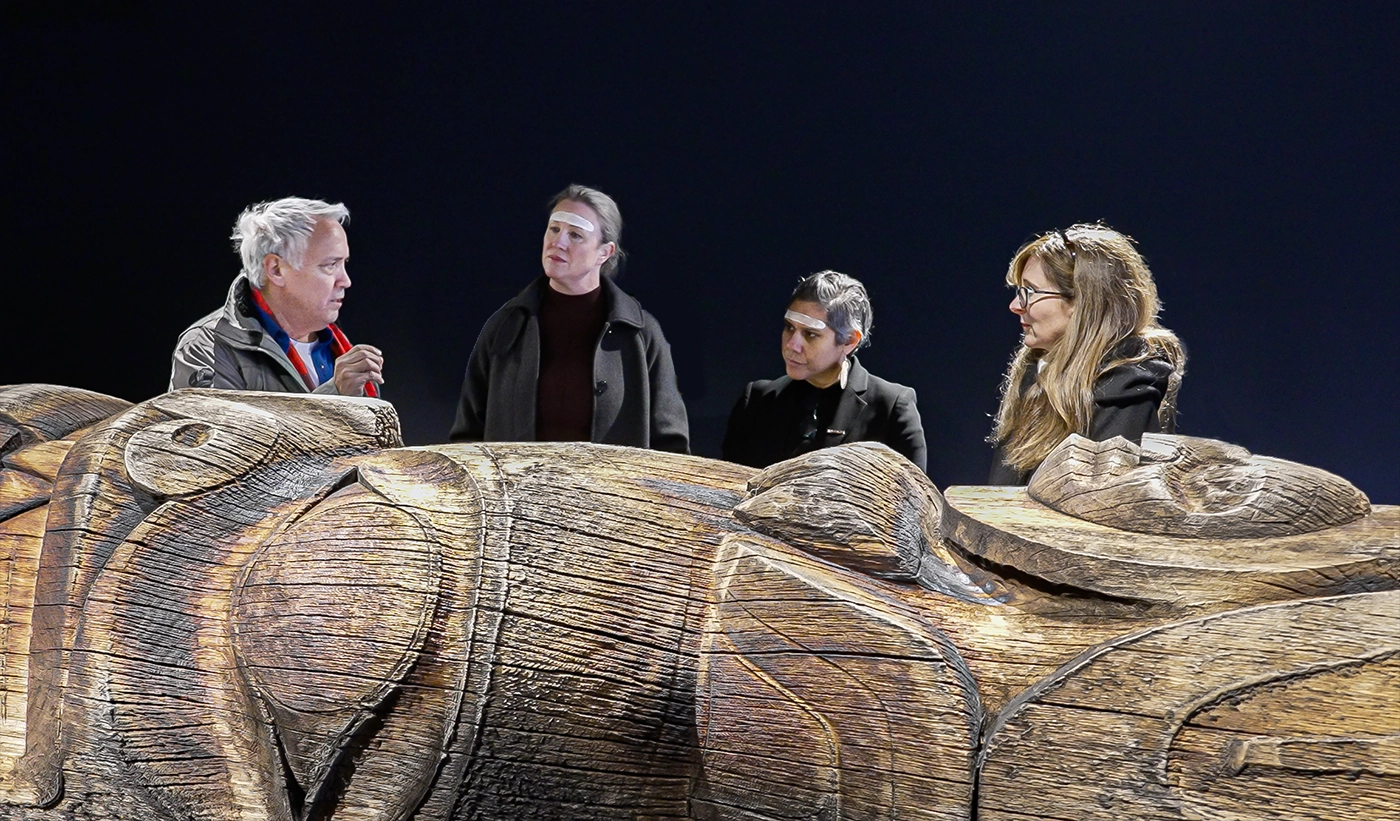
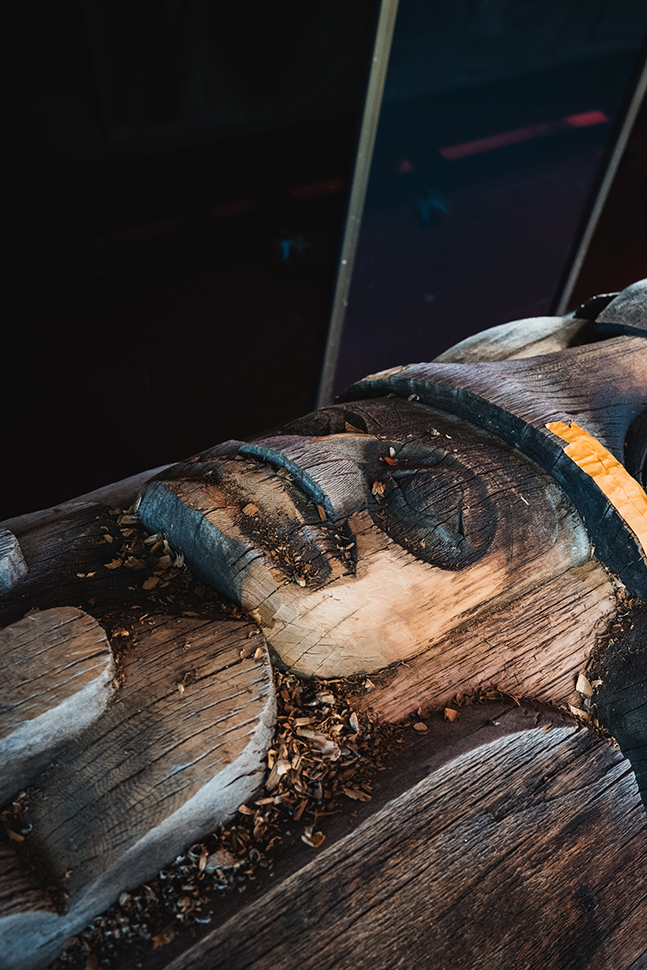
After nearly four decades outdoors, the gyáaʼaang underwent repair and cultural care by Mills.
He spent five weeks at the Museum, working on surface treatment, repainting and protective finishing, as well as renewing the stories, knowledge and cultural responsibilities embodied in its form.
The gyáaʼaang remains on show at the Museum in 2026. It will be returned the following year to the grounds of the Canadian High Commission in Yarralumla, where it will be raised in ceremony, reflecting the resilience and continuity of Haida cultural traditions across generations and geographies.
Clarence Mills, also known by his Haida name Gahghinskuss (Out of Your Own Land), is a Haida artist and knowledge holder from Skidegate on Haida Gwaii, off the northwest coast of Canada.
Born into the Eagle Clan – one of two moieties on Haida Gwaii – and a family of hereditary chiefs and carvers, Mills works across carving, sculpture, jewellery and printmaking. Through his practice, he continues to sustain and share Haida stories, values and artistic traditions.
For thousands of years, gyáaʼaang have been central to Haida cultural life, carrying histories, family lineages and cultural knowledge.
Through carved figures and the distinctive visual language known as formline design, they tell stories of ancestors, relationships and place.
More than works of art, they are living cultural expressions that continue to be shared and renewed by contemporary artists such as Mills.