
TIMELINE OF THE FIRST EMPEROR OF QIN
The story of Qin Shihuang and his eternal army does not start with his birth, nor does it end with his death.
From the kings of the Zhou (1045 BCE) to the Eastern Han dynasty (220 CE), Terracotta Warriors: Immortality and Empire traverses the political and spiritual landscape of ancient China.
Take a look at some of the object highlights from each period.


Spring and Autumn period
774 to 475 BCE
Bo bell
This magnificent ritual bell made of bronze is a statement of power. Cast for Duke Wu, it features an inscription declaring the Qin’s divine right to rule.
Baoji Bronze Museum, IA(5.5)2756
Warring States period
475 to 221 BCE
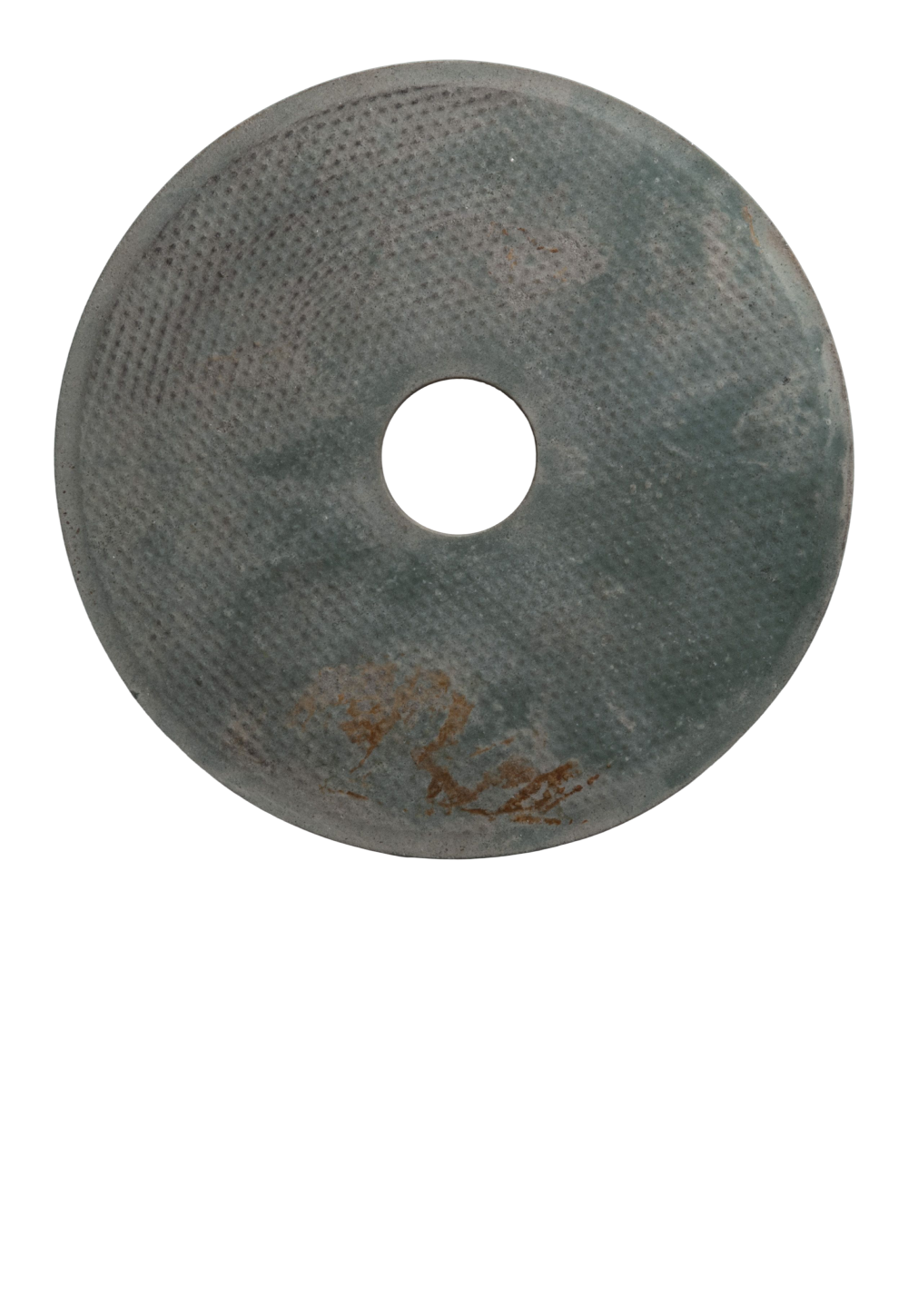
Bi (Ritual disc)
Jade was the most sought-after material in ancient China. Valued for its durability and purity, it came to symbolise noble and moral character.
Shaanxi Academy of Archaeology, 007057

Qin dynasty
221 to 207 BCE
Armoured military officer
Identified by his headpiece of lacquered cloth, this officer stood among the foot soldiers in the middle of the terracotta army.
Emperor Qinshihuang’s Mausoleum Site Museum, 002527
Western Han dynasty
207 BCE to 25 CE
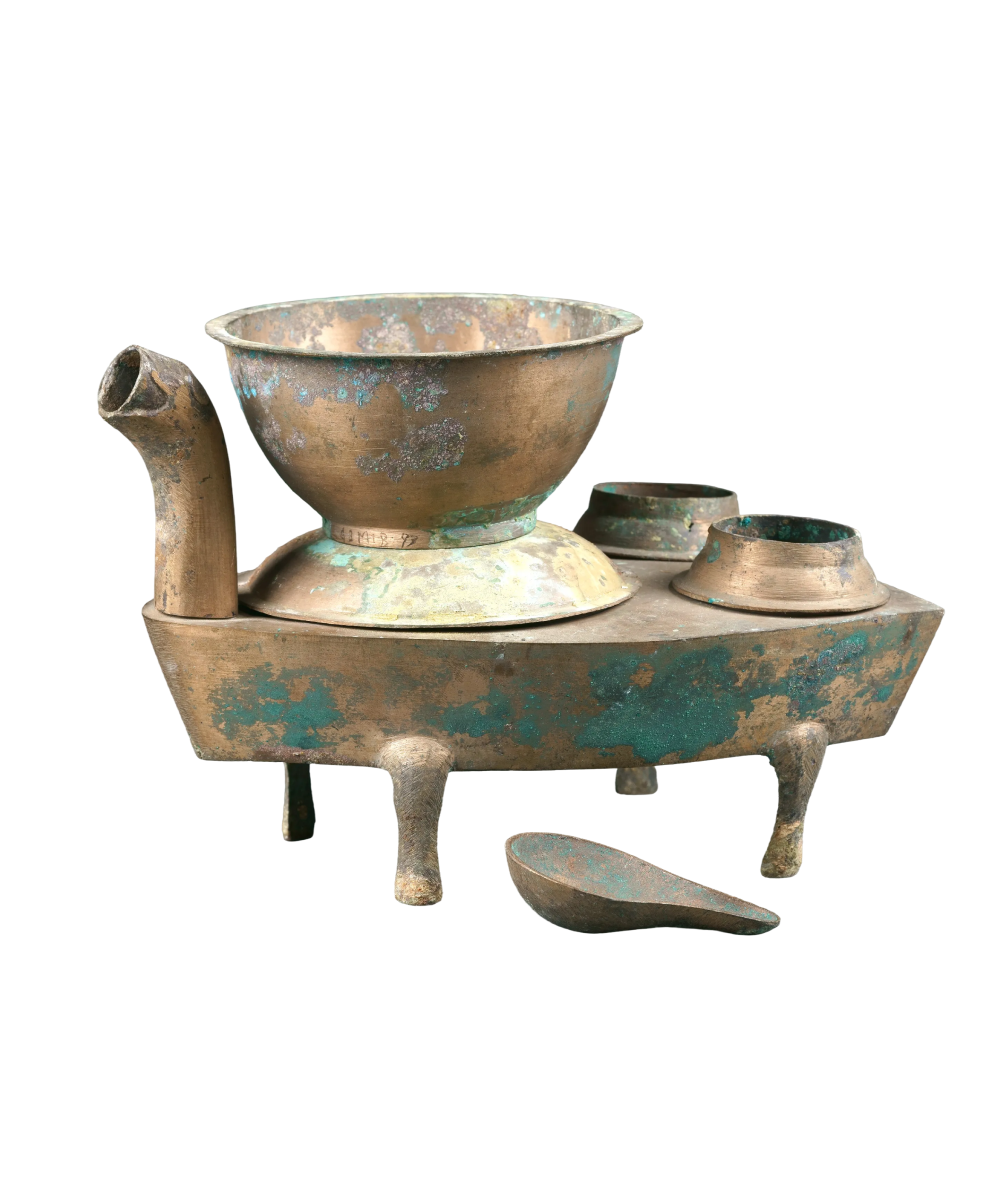
Miniature stove
During the Han dynasty, grave goods represented all aspects of daily life. This intricately crafted bronze stove is a miniature version of those used in the emperors’ kitchens.
Shaanxi Academy of Archaeology, 001059 (M18:9)
See the Terracotta Warriors in Canberra
BUY TICKETSTop image caption: General, Qin dynasty, 221–207 BCE, Terracotta. Image courtesy of the Emperor Qinshihuang’s Mausoleum Site Museum, Xi’an 002524